
Leading Fire Restoration Solutions for Complete Recovery
Select from industry-leading products designed to address all aspects of fire damage repair and property renewal.
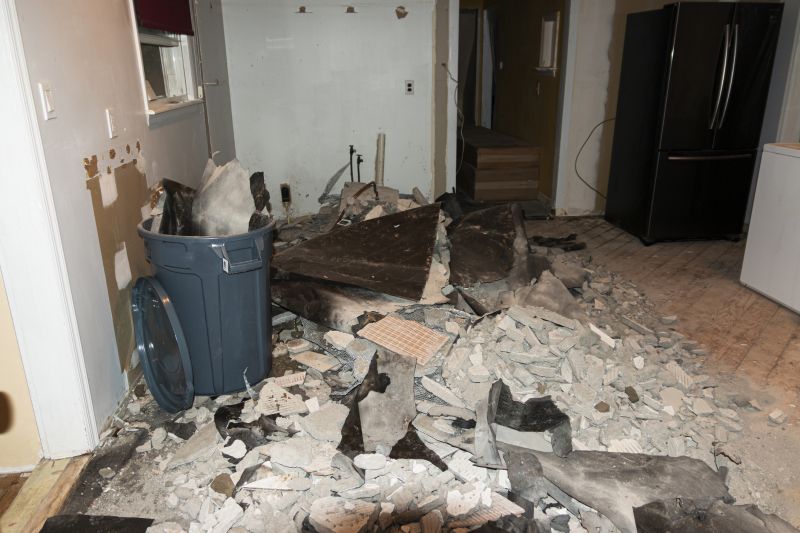 Fire restoration is a complex process that involves carefully addressing the damage caused by flames, smoke, and soot. Effective restoration begins with a thorough assessment of the affected areas to determine the extent of damage and the appropriate cleaning and repair methods. A variety of specialized products are available to assist in this process, each designed to target specific issues such as smoke odor, soot residue, and structural damage. Proper use of these products can help restore properties more efficiently and safely.
Top Overall Option
Multi-Purpose Fire Damage Cleaner
A versatile cleaning solution designed to tackle soot, smoke stains, and odors across various surfaces. It is suitable for use on walls, ceilings, furniture, and other affected materials, offering a comprehensive approach to fire damage cleanup. When selecting a cleaner, consider its compatibility with different surfaces and its ability to neutralize odors effectively.
Types of Products For Fire Restorations
Soot and Smoke Residue Cleaners
Specialized solutions formulated to remove soot and smoke stains from various surfaces, ensuring thorough cleaning and minimizing lingering odors.
Odor Neutralizers
Products designed to eliminate smoke odors from the air and surfaces, often using enzymes or chemical neutralizers to refresh indoor environments.
Surface Sealants and Primers
Sealants used to cover soot-stained surfaces and prevent odors from seeping through, creating a clean base for repainting or refinishing.
Protective Equipment
Respirators, gloves, and protective suits that safeguard workers from inhaling soot particles and coming into contact with hazardous residues.
Dehumidifiers and Air Scrubbers
Equipment used to control humidity and filter airborne particles, helping to improve air quality during the restoration process.
Cleaning Brushes and Scrapers
Tools essential for physically removing soot and charred debris from surfaces before chemical cleaning.
Electrostatic Sprayers
Devices that evenly distribute disinfectants and deodorants over large areas, enhancing coverage and efficiency.
Thermal Foggers
Equipment that disperses deodorizing agents in a fog-like manner to penetrate porous materials and neutralize odors.
Water Damage Restoration Products
Solutions for addressing secondary water damage caused by firefighting efforts, including mold prevention agents.
Structural Repair Adhesives
Strong bonding agents used to repair charred or weakened structural elements after a fire.
Fire-Resistant Insulation
Insulation materials that can replace damaged or compromised insulation, helping restore thermal integrity.
Popular Choices
Widely used for quick odor control, these sprays help freshen indoor spaces affected by smoke.
Pre-moistened cloths designed for easy soot cleanup on various surfaces, suitable for quick touch-ups.
Gels that absorb odors over time, often placed in affected rooms to reduce persistent smoke smells.
High-efficiency particulate air purifiers that capture fine soot particles and improve indoor air quality.
Complete kits containing a selection of cleaning agents, tools, and protective gear for comprehensive cleanup.
Sprays that evenly coat surfaces to disinfect and deodorize after fire damage.
Activated charcoal-based products effective at adsorbing smoke odors and airborne soot.
Specialized paints formulated to withstand high temperatures and prevent further damage.
Tools such as dehumidifiers and fans used to dry out moisture from affected areas post-fire.
Abrasive sponges that lift soot and smoke residues from surfaces without the need for harsh chemicals.
In fire restoration, cleaning agents are essential for removing soot and smoke stains from surfaces like walls, ceilings, and furniture. Odor neutralizers are also crucial, as smoke odors can linger long after the flames are extinguished. Additionally, protective equipment such as respirators and gloves are vital for safety during cleanup. Restoration professionals often employ a combination of these products to ensure comprehensive damage mitigation.
Choosing the right products depends on the severity of the fire damage, the types of materials affected, and the specific restoration goals. High-quality, industrial-grade cleaners and deodorizing agents are often recommended for professional use, but there are also consumer-grade options suitable for smaller-scale or DIY projects. Proper training on product application is important to maximize effectiveness and ensure safety.
Overall, the key to successful fire restoration lies in selecting products that are compatible with the damage type and surface materials, as well as understanding the correct procedures for their use. Investing in the right tools and supplies can make the restoration process more manageable and help achieve more satisfactory results in restoring the affected space.
Key Buying Considerations
- Compatibility of products with different surface materials such as drywall, wood, or fabric.
- Effectiveness of odor neutralizers in tackling persistent smoke smells.
- Ease of use and application methods for cleaning and deodorizing products.
- Safety features, including non-toxic formulations and proper protective gear recommendations.
- Capacity and coverage area of cleaning and deodorizing products to match project size.
- Durability and longevity of protective coatings and sealants used in restoration.
- Availability of professional-grade versus consumer-grade products based on project scope.
- Compatibility of cleaning agents with existing cleaning routines or equipment.
- Secondary damage prevention features, such as mold inhibitors in water-damaged areas.
- Environmental conditions, like humidity and temperature, that may affect product performance.
- Ease of storage and handling for bulky equipment like air scrubbers and foggers.
- Brand reputation and user reviews for reliability and effectiveness.
- Regulatory compliance and certification for safety standards.
- Cost considerations balanced with product quality and effectiveness.
- Availability of technical support or guidance for proper application.